Pain Following Injury
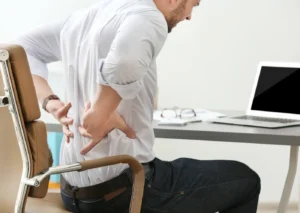
Workplace injuries can be physically and emotionally challenging, often leading to a prolonged recovery process. Beyond the initial trauma, persistent pain can become a major barrier to healing, affecting an individual’s ability to return to work and regain full function.
Pain is not just a symptom. Pain has the power to influence mobility, mental well-being, and overall recovery outcomes. Without early and effective intervention, pain-related barriers can lead to deconditioning, delayed return to work, and even chronic disability.
The Health Benefits of Good Work framework promotes returning to work as an essential part of the recovery journey. However, for workers experiencing ongoing pain, this must be approached gradually, with supervision and support from medical and rehabilitation professionals.
The Risk of Deconditioning
One of the most significant risks of untreated or poorly managed pain is deconditioning. When pain prevents movement, injured workers may avoid activities that are critical for recovery. This inactivity can lead to:
- Muscle atrophy – Weakening of muscles due to lack of use.
- Joint stiffness – Decreased range of motion, making movement more painful and difficult.
- Reduced cardiovascular fitness – Lower endurance and energy levels.
- Increased pain sensitivity – Prolonged inactivity can make pain worse by altering the nervous system’s response to pain signals.
A review published in the Journal of Occupational Rehabilitation examined the relationship between the timing of health service initiation and worker outcomes for compensated musculoskeletal conditions. The review found that early access to physical therapy and biopsychosocial interventions was associated with favourable outcomes, including reduced disability duration and lower claim costs. Conversely, early use of opioids and MRI without severe underlying conditions were linked to longer disability durations and increased healthcare utilisation.
This highlights the importance of timely intervention – not just to treat pain, but to ensure workers remain as functional as possible throughout their recovery.
Recognising the Signs for Early Intervention
To prevent pain from becoming a chronic issue, both employers and healthcare providers must recognise the early warning signs that indicate a need for professional intervention.
Signs That Pain May Be Delaying Recovery
- Pain persists beyond the expected healing timeframe for the injury.
- The worker avoids movement due to fear of pain (known as kinesiophobia).
- Increasing muscle weakness or joint stiffness.
- Psychological distress related to pain, such as anxiety or depression.
- Difficulty sleeping due to discomfort, leading to fatigue and reduced ability to engage in rehabilitation.
- Reliance on pain medication without noticeable improvement in function.
Identifying these signs early can prevent long-term disability and improve return-to-work outcomes.
A Multi-Disciplinary Approach to Pain Management
Pain is complex, and a single treatment approach is rarely enough. Effective early intervention in injury management requires a multi-disciplinary strategy, incorporating medical, physical, and psychological therapies.
Our Active Injury Management Service (AIMS) provides a proactive, 12-week recovery program designed to facilitate early intervention and prevent long-term injury complications. By focusing on both physical recovery and workplace participation, AIMS helps individuals regain function more quickly, reducing the risk of chronic issues and fostering a smoother return to work after an injury.
Effective Pain Management Strategies
1. Medical Injury Management
An Occupational and Environmental Physician (OEP) can provide evidence-based treatment plans, ensuring that recovery is aligned with the worker’s job requirements. Medical management may include:
- Medication – Used cautiously, focusing on short-term relief while promoting active rehabilitation.
- Workplace adjustments – Modifications to work tasks, environment, or hours tailored to the worker’s specific pain management needs, ensuring a gradual and safe return to work while minimising further injury or strain.
- Referral to specialist services – Such as physiotherapy, pain clinics, or psychological support.
Phoenix Occupational Medicine offers Injury Management Consultations to assess pain-related barriers and develop tailored recovery plans.
2. Exercise Rehabilitation & Physiotherapy
Engaging in guided movement and strengthening exercises is one of the most effective ways to combat pain-related deconditioning. A structured rehabilitation program may include:
- Physiotherapy – To restore range of motion and improve mobility.
- Exercise Physiology – To build strength and endurance in a controlled manner.
- Functional Rehabilitation – Focusing on movements and tasks required for the worker’s job role.
At Phoenix Occupational Medicine, we collaborate with Guardian Exercise Rehabilitation to provide comprehensive on-site rehabilitation services, ensuring a seamless transition from medical care to physical recovery.
3. Psychological Support & Pain Education
Pain isn’t necessarily just physical – it has a major psychological component. Workers who fear pain or re-injury may unknowingly contribute to longer recovery times. Psychological support can help:
- Address fear-avoidance behaviours – Encouraging safe movement rather than excessive rest.
- Improve coping mechanisms – Techniques like cognitive-behavioral therapy (CBT) can reduce pain-related anxiety.
- Enhance return-to-work confidence – Helping workers regain a sense of control over their recovery.
Return to Work: A Key Component of Recovery
Returning to work in some capacity—even before full recovery—is linked to better long-term health outcomes. Work is therapeutic, and remaining active in a structured, modified role can:
- Prevent isolation and loss of work identity.
- Reduce the risk of psychosocial stressors worsening pain perception.
- Maintain financial stability, which is crucial for mental well-being.
- Encourage gradual reconditioning, supporting full recovery over time.
However, return-to-work must be structured, supported, and supervised.
Specialised Second Opinion Service for Return to Work
Phoenix Occupational Medicine, together with Guardian Exercise Rehabilitation, offers the Specialised Second Opinion Service, designed to:
- Provide a reset for rehabilitation direction, particularly in instances where current treatment options are no longer effective.
- Identify barriers to returning to work and provide solutions.
- Recommend treatment to improve ADLs and work function, enhancing holistic recovery.
The Importance of Early Intervention in Pain Management
Failing to address pain early may result in chronic pain conditions, prolonged disability, and unnecessary work absences. Research suggests that early pain management interventions can significantly improve work capacity and reduce disability duration.
Employers, healthcare providers, and injured workers all have a role in identifying pain-related barriers and seeking appropriate intervention as soon as possible.
Steps Employers Can Take
- Encourage workers to report pain early – Waiting too long can make recovery more difficult.
- Refer injured workers for professional assessment – Medical guidance can ensure the right treatment approach.
- Promote movement and rehabilitation – Support workers in engaging with physiotherapy and exercise programs.
- Implement structured return-to-work programs – Helping workers reintegrate in a safe and supported manner.
Take Action Today
Understanding the profound impact of pain on workplace injury recovery is essential for both individuals and employers. By prioritising early intervention, structured rehabilitation, and expert pain management, businesses can help injured workers recover faster, reducing both personal and organisational costs.
If you are concerned about an employee following injury, contact Phoenix Occupational Medicine today for:
Taking action early can make all the difference. Reach out today to ensure your employees get the care they need for a faster, safer recovery.